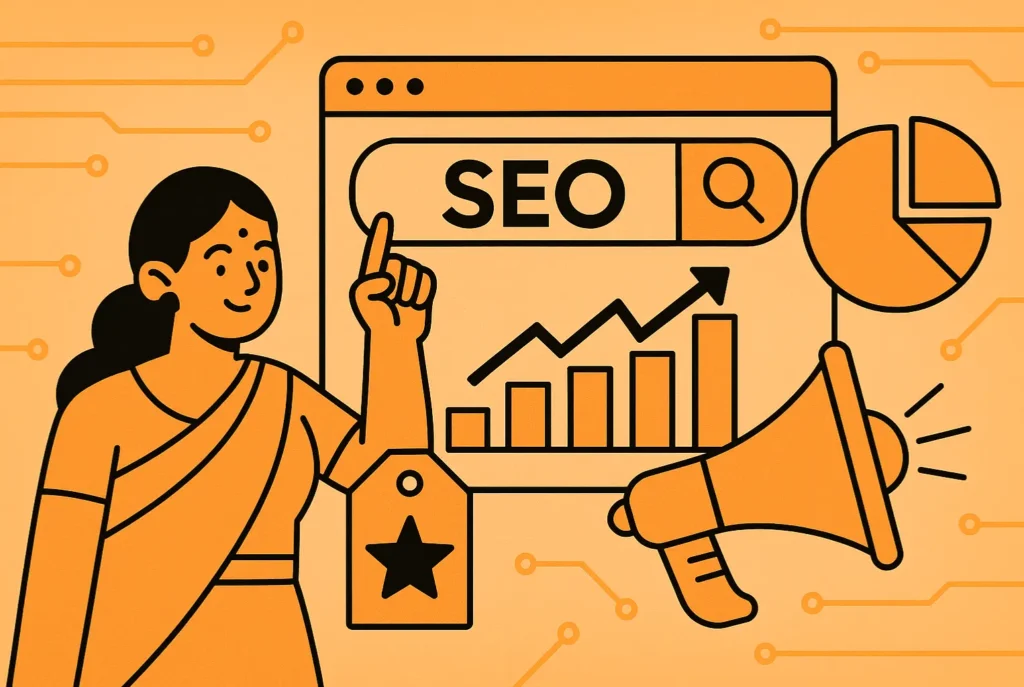

Search engine optimization is always evolving, but SEO best practices in 2026 are more strategic, data-driven, and user-focused than ever. As search engines get smarter and AI becomes more integrated into how people find information, businesses must adapt quickly. This guide breaks down the most impactful SEO strategies you should use todaybased on real-world results, technical evolution, and modern ranking factors.
SEO in 2026 doesn’t look the same as it did even a few years ago. Google’s algorithm updates now rely heavily on machine learning, user behavior signals, and semantic understanding of content. These changes influence how pages are ranked and how search engines understand user intent.
Over the years, search engines have shifted from keyword-matching to meaning-based search. This means they focus more on what users want rather than the exact words they type. Concepts like semantic search, entity recognition, and topical authority have become major ranking factors.
Even though the tools and algorithms have changed, the fundamentals remain strong:
The key difference in 2026 is how you execute these fundamentals and how deeply you understand user intent.
This is where the real optimization begins. These core strategies form the backbone of your SEO success.
Good content is more than writing wordsit’s about solving problems. Search engines reward pages that match user intent, whether it’s informational, transactional, navigational, or investigative.
Focus on:
To build topical authority, structure your content using clusters:
This helps search engines understand your expertise and boosts rankings across related keywords.
Although search engines use semantic understanding, keywords still matter. Place your focus keyword in:
Keep density at around 1.30% to avoid over-optimization.
Ensure every page has a compelling, keyword-optimized title and description.
Use H1–H6 tags to organize your content logically.
Guide readers and search crawlers through relevant content.
Add structured data to improve visibility in SERPs
Technical SEO forms the foundation of every high-performing website. Even the best content won’t rank if search engines can’t crawl, understand, or trust it. In 2026, technical SEO has become more crucial thanks to advancements in Core Web Vitals, AI indexing, and mobile-first ranking models.
Google continues refining metrics around page experience, and Core Web Vitals remain at the center of this evolution. The three critical measurements include:
To optimize for these:
Even minor improvements can significantly boost rankings.
Google now uses mobile versions of pages as the primary source for indexing and ranking. This means:
A poor mobile experience can cause drops in traffic even if the desktop version looks perfect.
Search engines must easily discover your content. Some key actions include:
Ensuring your site is easy to crawl makes ranking easier and faster.
Security is a major ranking factor because users trust secure websites more. A secure site includes:
When search engines trust your website, they reward it with visibility.
While on-page SEO focuses on your website, off-page SEO builds its reputation on the internet. Google evaluates how many high-quality sites trust and recommend your content.
Backlinks remain a top ranking factor. But in 2026, it’s all about quality over quantity.
Effective methods include:
One high-authority link can outperform dozens of low-quality links.
Social platforms help build brand presence, which search engines use to understand credibility. While not a direct ranking factor, social signals help:
In 2026, digital PR will be more powerful than traditional link-building. Journalists, bloggers, and influencers want high-quality insights from credible sources.
Methods include:
Artificial intelligence plays a huge role in SEO today. However, responsible and strategic use is essential to avoid being flagged as low-quality.
AI tools can help generate outlines, research data, and draft content. But human editing is essential to ensure originality and EEAT.
Reliable content should:
Machine learning tools forecast the best topics, keywords, and content formats for future rankings. They analyze:
This helps plan your content calendar for long-term growth.
SEO automation in 2026 boosts efficiency. Helpful tools automate:
This allows teams to focus on strategy, not repetitive tasks.
SEO isn’t complete until you measure results. Analytics help refine your strategy.
Track key metrics such as:
Google Search Console offers insights into:
Use it to improve ranking consistency.
Create templates that monitor:
These help maintain long-term SEO growth.
Even seasoned marketers fall into traps. Avoid these common mistakes:
Keyword stuffing, unnatural anchor text, and aggressive link-building can lead to penalties.
Pages lacking depth or uniqueness can drag down overall domain authority.
Broken links, slow load times, and missing schema markup can harm rankings.
High-quality content, strong technical SEO, fast site speed, and trustworthy backlinks remain essential.
Yes, but only if edited by humans and enriched with real expertise.
Absolutely. Quality backlinks are still one of the top ranking factors.
Critical. Google ranks mobile versions first, making mobile optimization non-negotiable.
Most websites see noticeable improvements within 3–6 months with consistent effort.
Tools like Google Search Console, Ahrefs, SEMrush, and Screaming Frog are essential for monitoring and optimizing SEO.
SEO in 2026 is more advanced, user-focused, and AI-driven than ever before. By following these SEO best practices, you can stay ahead of algorithm updates, improve rankings, and build long-term authority in your niche. Focus on delivering high-quality experiences, optimizing your technical foundation, and building a trustworthy online presenceand you’ll see the results in your traffic and conversions.
External Resource:
For further reading, explore Google’s official SEO Guide:
https://developers.google.com/search/docs/fundamentals/seo-starter-guide